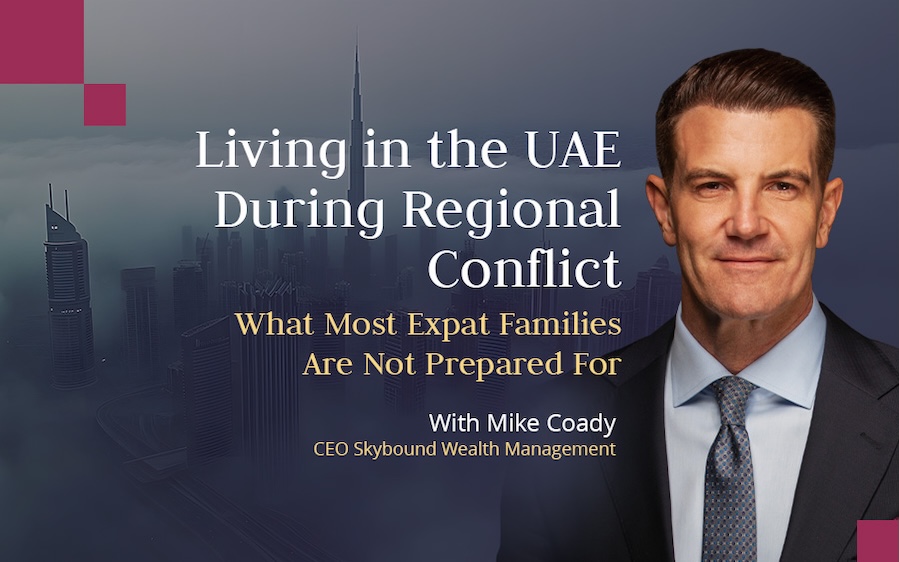
For many expatriates, the Middle East offers an unmatched financial advantage, high, tax-free salaries, generous benefits, and relatively low personal taxes. Cities like Dubai, Riyadh, and Doha are prime locations for wealth-building. Yet, despite these advantages, many expats leave with little to show for their time in the region.
The biggest reason? A lack of financial discipline and poor long-term planning.
As a financial adviser who has lived and worked in both Europe and the Middle East, Jonathan Lumb has seen first-hand what separates successful expats from those who struggle financially. Here, he shares his top wealth-building strategies to help Middle East expats avoid common mistakes and take control of their financial future.
1. The Lifestyle Trap: Why Many Expats Struggle to Save
Living in the Middle East often comes with an upgraded lifestyle, luxury housing, fine dining, frequent travel, and premium experiences. While tempting, this high standard of living can erode financial gains if left unchecked.
How to Avoid Lifestyle Inflation
Set a Lifestyle Ceiling – Allocate a fixed percentage of your income to lifestyle expenses and resist increasing it with every salary raise.
Prioritise Long-Term Value – Spend on experiences or assets that contribute to your future, such as education, purposeful travel, or savings.
Delay Gratification – Before making big-ticket purchases, ask yourself: Will this contribute to my long-term financial goals? Successful expats practise delayed gratification and focus on financial security over short-term indulgences.
2. Pay Yourself First: The Key to Long-Term Wealth
A simple yet powerful strategy: automate your savings before budgeting for lifestyle expenses. Many wealthy expats follow the 20–30% rule, setting aside a portion of their income for investments and savings before spending on discretionary items.
3. Lessons from Wealthy Expats: How to Make Your Money Work for You
Over the years, Jonathan has seen a clear pattern among expats who leave the Middle East financially secure. They take advantage of their earning potential while staying disciplined with their money. Their key strategies include:
Automating savings – Setting up automatic transfers to savings and investment accounts ensures consistency and removes the temptation to overspend.
Keeping lifestyle inflation in check – While enjoying the perks of expat life, they set clear financial limits and prioritise long-term security over short-term indulgence.
Optimising tax-free earnings – Using tax-efficient investment vehicles allows them to grow their wealth while making the most of the region’s tax advantages.
Planning beyond their time in the Middle East – Rather than focusing solely on the present, they prepare for the future by building retirement savings, setting aside funds for their children's education, and ensuring they have financial resources in place for a smooth relocation when the time comes.
A well-structured retirement planning strategy is key to maintaining financial security once tax-free earnings end. Wealthy expats don’t just earn well, they make their money work for them. By applying these principles, you can turn your time in the Middle East into a stepping stone for long-term financial security.
4. The Harsh Reality: Many Expats Leave Financially Unprepared
Don’t be part of that statistic. With the right planning, you can turn your years in the Middle East into a financially secure future.
Turn Opportunity into Long-Term Wealth
The Middle East provides a unique opportunity to build lasting financial security,but only if you manage your wealth with discipline and intention.
Jonathan's Approach to Expats' Financial Success:
Control lifestyle inflation by maintaining disciplined spending habits.
Pay yourself first through automated savings and investments.
Focus on long-term financial goals to maximise wealth potential.
If you’re serious about securing your financial future, speak with UAE financial adviser Jonathan Lumb today. Together, you can build a personalised wealth strategy that allows you to enjoy the expat lifestyle while securing long-term prosperity.
With over 17 years of experience in the Middle East and more than 15 years at Skybound Wealth Management, Jonathan has built a reputation as a trusted adviser to expatriates seeking clarity and confidence in their financial futures.
Disclosure
Ordered list
Item 1
Item 2
Item 3
Unordered list
Understand your provider’s rules for foreign addresses
Compare 401(k) and IRA fees
Review tax implications
Confirm the IRA custodian supports foreign residency
Evaluate investment preferences
Consider currency needs
Understand Roth conversion implications
Evaluate long-term residency and retirement goals
Consult advisers familiar with cross-border planning
Ordered list
Item 1
Item 2
Item 3
Unordered list
Understand your provider’s rules for foreign addresses
Compare 401(k) and IRA fees
Review tax implications
Confirm the IRA custodian supports foreign residency
Evaluate investment preferences
Consider currency needs
Understand Roth conversion implications
Evaluate long-term residency and retirement goals
Consult advisers familiar with cross-border planning







.jpg)