The Sentence That Quietly Damages Expat Wealth
South African expats in the UAE rarely say they do not care about retirement. Most care deeply. They want security, choice, family stability and the ability to return home one day without financial pressure. But caring about retirement and actively building for it are not the same thing.
The gap usually starts with one familiar phrase: "I will sort it out later." It sounds responsible because it does not reject planning completely. It simply delays it. The problem is that retirement planning does not wait in the background untouched. Every year of delay changes the maths.
When you delay, you lose time. When you lose time, you need more capital. When you need more capital, you must either save more, take more risk, work longer, retire with less, or rely on family, property, inheritance or luck. None of those are comfortable options.
For South African expats, the danger is amplified because the UAE can create a false sense of progress. A good salary, a nice apartment, a car, travel, brunches, school fees and occasional money sent home can make life feel successful. But lifestyle success is not the same as retirement readiness.
- You can earn well and still be underfunded for retirement.
- You can live comfortably now and still be exposed later.
- You can have assets in South Africa and still lack a coordinated retirement plan.
- You can have cash in the bank and still be losing long-term purchasing power.
- You can intend to start later and still run out of time before the plan becomes realistic.
Why The UAE Opportunity Creates A False Comfort
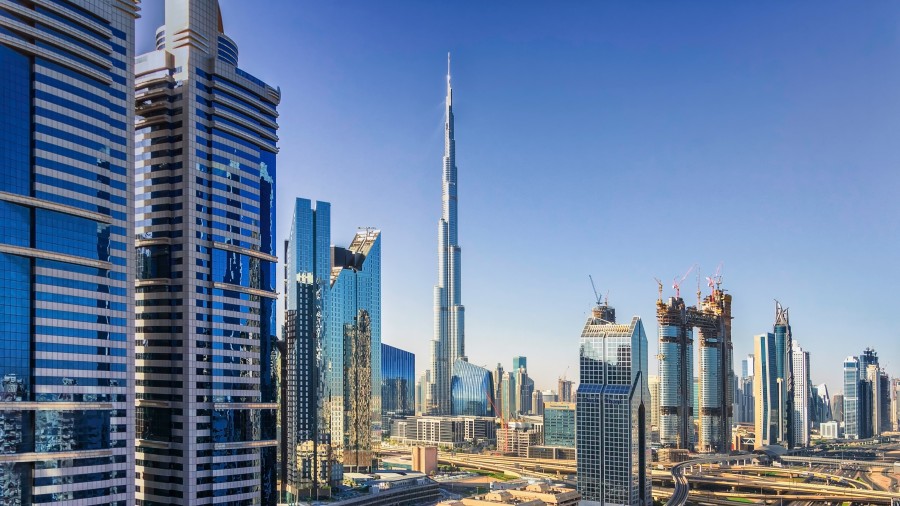
The UAE is a powerful wealth-building environment for many South Africans. The absence of UAE personal income tax, international salaries, career opportunities and global investment access can create a real advantage. But the advantage is not automatic. It has to be captured deliberately.
This is where many expats get caught. Because income is stronger than it was in South Africa, they assume the future will somehow take care of itself. They tell themselves they will increase savings once the car is paid off, once school fees settle, once bonuses improve, once the next promotion lands, or once they know whether they are staying in the UAE long term.
That thinking feels practical, but it is often a trap. Life rarely becomes cheaper by itself. More income often leads to bigger commitments, not more saving. The longer someone lives in the UAE, the easier it becomes to normalise a lifestyle that quietly consumes the income advantage that should have been funding the future.
- Higher rent becomes normal.
- More expensive travel becomes normal.
- Private schooling becomes normal.
- Frequent eating out becomes normal.
- Upgraded cars and lifestyle subscriptions become normal.
- Sending money home becomes part of the monthly rhythm.
- What began as temporary spending becomes the baseline lifestyle.
{{INSET-CTA-1}}
The Compounding Cost Of Waiting
Compounding is often presented as a motivational concept, but for retirement planning it is more brutal than motivational. It rewards early consistency and punishes late urgency. The earlier your money is invested, the more time it has to grow. The later you start, the more of the burden shifts from investment growth to your monthly contributions.
Imagine two South African expats earning in the UAE. One starts investing early with a manageable monthly amount. The other waits ten years and then tries to catch up. The second person may need to invest significantly more each month to reach a similar result because they have given away the most valuable asset in retirement planning: time.
This is why delay is not passive. It is an active financial choice. You may not feel it today, but the cost appears later in the form of higher required savings, reduced flexibility and more pressure in the final working years.
- Early saving allows growth to do more of the work.
- Late saving forces your salary to do more of the work.
- Early planning gives you room to adjust if markets disappoint.
- Late planning leaves less room for mistakes, job changes or family emergencies.
- Early action can start small and build discipline.
- Late action often requires uncomfortable sacrifices.
Why South African Expats Underestimate Retirement Needs
Many South Africans underestimate their future retirement need because they anchor their thinking to old numbers. They remember what life cost in South Africa ten or twenty years ago, or what their parents spent in retirement, and assume they can make a similar plan work. That is dangerous.
Future retirement costs are affected by inflation, medical expenses, currency movements, housing, family support, lifestyle expectations and longevity. If you return to South Africa in fifteen or twenty years, you will not return to the South Africa of your memory. You will return to future prices, future healthcare costs and future family obligations.
Retirement is not just a target age. It is a funding problem that must account for inflation, currency risk and income replacement over decades.
- How much income will I need each month in retirement?
- Which country will I realistically retire in?
- Will my retirement spending be in rand, dollars, dirhams, pounds or a mix?
- How will healthcare and medical aid be funded?
- Will I still support parents, children or extended family?
- How long could retirement last if I live into my eighties or nineties?
The South African Retirement Annuity Gap
Some South African expats assume their retirement annuity back home is enough. It may be valuable, and in many cases it should be reviewed rather than ignored. But an RA alone may not solve the full retirement challenge for an expat earning and living internationally.
Your South African retirement annuity may be rand-based, subject to South African rules, restricted in how and when benefits can be accessed, and affected by tax treatment when benefits are eventually taken. It may also represent only one part of your total retirement picture, not the whole plan.
The issue is not whether an RA is good or bad. The issue is whether it is enough. For many expats, it is not. A proper retirement plan should consider South African retirement assets, offshore investments, cash reserves, property, protection cover, future tax residency, estate planning and return-home strategy together.
- What is the current value of the RA?
- What is the projected retirement value in real terms?
- What fees and fund allocation apply?
- What access restrictions apply?
- How will benefits be taxed at retirement?
- How does the RA fit with offshore savings and future income needs?
Cash Feels Safe But Often Fails Retirement
Cash has a role in every plan. It provides safety, emergency access and flexibility. But cash is not a retirement strategy by itself. Money sitting in a bank account can feel secure because the balance is visible and does not move sharply with markets. The hidden risk is that inflation quietly reduces its future purchasing power.
For expats, cash can become the default because making an investment decision feels complicated. There are questions about platforms, fees, tax residency, currency, regulation and access. So the money stays in the bank while the expat waits for clarity. The problem is that waiting in cash for years can create its own risk.
A strong retirement plan usually separates cash from long-term capital. Emergency money should remain accessible. Retirement money should usually be given the opportunity to grow over time, within a structure aligned to your risk profile, time horizon and future needs.
- Cash for emergencies is sensible.
- Cash for short-term relocation plans is sensible.
- Cash for long-term retirement growth is usually insufficient.
- Too much cash can create inflation risk.
- Too little cash can create liquidity risk.
- The answer is balance, not extremes.
The Protection Problem Hidden Inside Retirement Planning
Retirement planning is usually discussed as an investment conversation. But for expat families, protection is part of retirement planning too. If your income stops because of death, illness or disability, the retirement plan can collapse long before retirement arrives.
This is especially important for South African expats whose families rely on UAE income. One salary may fund rent, school fees, family support in South Africa, debt repayments, savings and long-term investment contributions. If that income disappears, the family may not only lose today's lifestyle; they may lose tomorrow's retirement as well.
Protection planning is not about fear. It is about keeping the long-term plan alive when life does not go according to plan. A retirement strategy without protection can be mathematically impressive but practically fragile.
- Life cover protects dependants if income is lost through death.
- Critical illness cover can provide liquidity during serious illness.
- Income-risk planning helps protect contribution ability.
- Emergency cash prevents long-term investments being raided too early.
- Beneficiary planning helps money reach the right people faster.
- Protection should be reviewed as income, debt and family responsibilities change.
What A Better Retirement Framework Looks Like
A better framework starts with clarity. Instead of asking, "Which product should I buy?" ask, "What retirement outcome am I trying to fund?" Once the outcome is clear, the structure becomes easier to design.
For South African expats in the UAE, a practical retirement framework should connect the moving parts: current income, monthly surplus, South African assets, offshore investments, emergency cash, protection cover, tax residency, future country of retirement and estate planning. None of these should sit in isolation.
This does not mean the plan must be complicated. In fact, the best plans are often simple enough to follow consistently. The discipline is more important than the appearance of sophistication.
- Calculate a realistic future retirement income target.
- Estimate the capital required to support that income.
- Review current retirement assets in South Africa and offshore.
- Set a monthly contribution that is realistic but serious.
- Protect the plan against death, illness and forced interruption.
- Review progress at least annually and after major life changes.
{{INSET-CTA-2}}
Why Later Becomes More Expensive Than Now
The most dangerous part of delaying retirement planning is that it feels painless at the time. You do not receive an invoice labelled "cost of delay." There is no monthly statement showing the compounding you missed. There is only a future moment when the numbers no longer feel comfortable.
At that point, the choices become harder. You may need to save much more each month, reduce lifestyle dramatically, postpone retirement, sell assets you wanted to keep, depend on children, take investment risks you would not normally accept, or return to work after you thought you were done.
This is why planning should happen while the UAE income window is open: structure helps you enjoy today without sacrificing tomorrow.
- Starting now does not require perfection.
- Starting now creates momentum.
- Starting now gives your adviser real data to work with.
- Starting now allows small adjustments before the gap becomes large.
- Starting now protects your future self from panic decisions.
The Next Step
If you are a South African expat in the UAE and the phrase "I will sort it out later" sounds familiar, the goal is not to feel guilty. The goal is to move from delay to clarity. You do not need to solve every retirement question immediately, but you do need to know whether you are on track, behind, or simply guessing.
A serious retirement conversation should clarify your current position, future need, monthly savings target, existing assets, offshore options and protection gaps.
The earlier you have that conversation, the more options you usually have. Waiting rarely creates more choice.
- Know your number.
- Know your gap.
- Know your monthly commitment.
- Know what is already working.
- Know what needs restructuring.
- Know what happens if you do nothing.
Final Takeaway
The retirement myth is not that South African expats do not earn enough. Many do. The myth is that a strong UAE income automatically becomes long-term wealth. It does not. Income only becomes retirement security when it is captured, structured, protected and reviewed.
"I will sort it out later" feels harmless because it keeps the future open. But retirement planning rewards those who turn intention into action early. The expats who build wealth are not always the ones earning the most. They are often the ones who give their money a clear job while there is still enough time for the plan to work.
The UAE chapter can become a powerful wealth-building chapter of your life. But only if you stop treating retirement as a future problem and start treating it as a current responsibility.
- Later is not a strategy.
- Income is not a plan.
- Cash is not enough.
- Hope is not a retirement pot.
- Structure is what turns opportunity into security.