A New Balance of Power in Washington
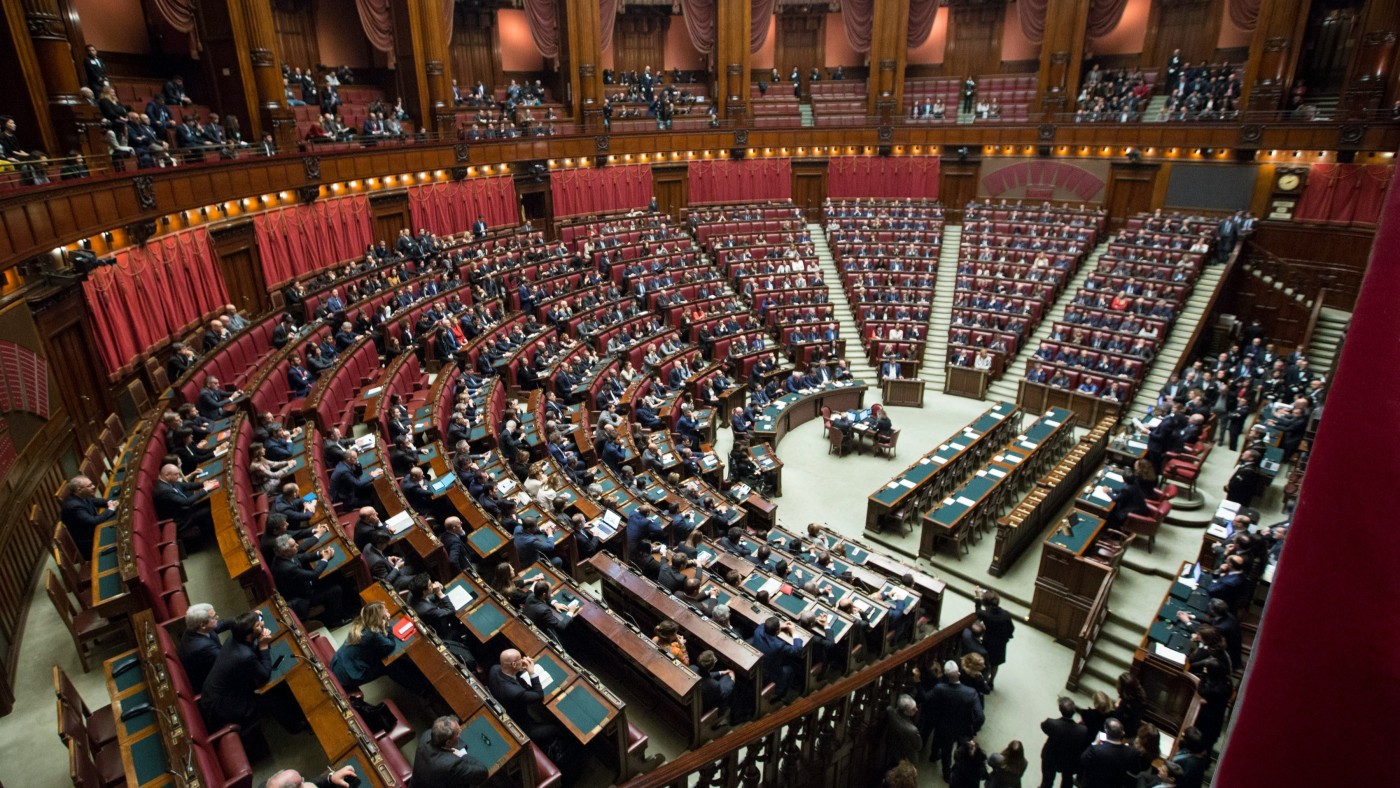
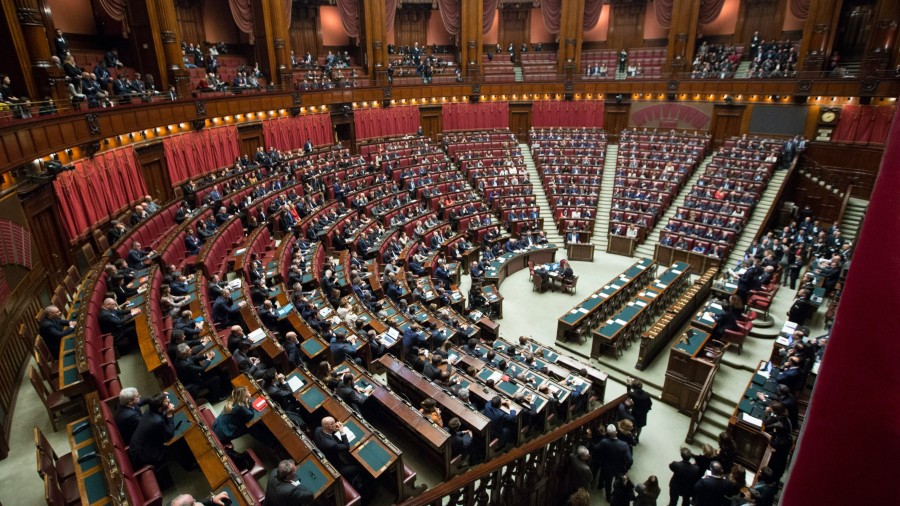
The American electorate has delivered a significant change in the country's political direction. After two years of Republican control of the White House and Congress, the Democrats have secured the Senate and are projected to regain the House of Representatives, fundamentally altering the balance of power in Washington for the remainder of President Donald Trump's second term.
The scale and geographical reach of the Democratic victories have been particularly striking. Texas, a Republican stronghold for more than three decades, has elected a Democratic senator and governor. Georgia has made history by electing the first Black woman to govern a US state, while traditionally Republican states including Kansas and Iowa have also delivered notable Democratic victories.
Yet the significance of these elections extends well beyond the individual results. For the next two years, President Trump will face a Congress with greater power to challenge his legislative agenda, scrutinise his administration and influence the appointment of senior officials. Democrats, meanwhile, will have greater control over the legislative process but no straightforward means of implementing policies opposed by the president.
It is an arrangement that could produce considerable political tension. For investors, however, the more interesting question is whether a government with less freedom to legislate necessarily produces a different economic or investment environment.
A changing political landscape
Perhaps nowhere has the scale of the political change been more apparent than in Texas, where Democrat James Talarico has been projected to defeat Republican Ken Paxton in the race for the US Senate. His victory makes him the first Democrat elected to represent Texas in the Senate since 1988 and ends a 32-year period in which Democrats failed to win a statewide election in Texas.
The result is particularly noteworthy given that Donald Trump carried the state by approximately 14 percentage points in the 2024 presidential election.
The gubernatorial election has produced an equally significant outcome, with Gina Hinojosa defeating incumbent Republican Governor Greg Abbott. Hinojosa becomes Texas's first Latina governor and its first Democratic governor since Ann Richards left office in 1995.
Although these victories represent a major shift in the state's political leadership, they do not amount to complete Democratic control. Republicans retain their majority in the Texas legislature, meaning Hinojosa will face her own challenges in advancing legislation through a divided state government.
Georgia has also made history, electing former Atlanta mayor Keisha Lance Bottoms as its next governor. She becomes both the state's first female governor and the first Black woman elected governor of a US state. Her victory ends more than two decades of Republican control of the governorship and follows a period in which Georgia has alternated between the two major parties in presidential elections. Democratic Senator Jon Ossoff has also secured re-election, further illustrating the state's increasingly competitive political environment.
Elsewhere, Democrat Adam Hamilton has won a Senate seat in Kansas, becoming the first Democrat elected to represent the state in the Senate in 94 years. In Iowa, Democrat Josh Turek has won a Republican-held Senate seat, while Rob Sand has secured the governorship. The election has also delivered historic milestones for both parties, including the election of Deb Haaland as the first Native American woman to govern a US state and Republican Byron Donalds as Florida's first Black governor.
Taken together, these results demonstrate the extent to which political loyalties can change, even in states with longstanding voting traditions. They also invite closer examination of how accurately pre-election polling captured the mood of the electorate.
{{INSET-CTA-1}}
Did the polls underestimate the Democratic vote?
One of the more interesting aspects of the election has been the difference between some pre-election expectations and the eventual outcomes, particularly in traditionally Republican states.
In Texas, for example, the final RealClearPolling average for the gubernatorial election placed Greg Abbott approximately 2.3 percentage points ahead of Gina Hinojosa. An Emerson College survey conducted in mid-October had indicated a four-point advantage for Abbott, while other late surveys suggested a much closer contest or placed Hinojosa narrowly ahead.
The result therefore raises questions about whether polling fully reflected the strength of Democratic support, although it would be premature to conclude that the polling industry systematically underestimated the party's performance.
Opinion polls are estimates rather than predictions of an exact election result. Their accuracy depends on several factors, including sample selection, assumptions about who will vote, changes in voter preferences and the ability of pollsters to identify groups that may be more or less likely to participate.
There is also an important distinction between a single poll and an average of several surveys. Assessing the scale of any polling error requires comparing final vote margins with equivalent pre-election estimates, rather than selecting individual surveys that produced the largest differences.
Nevertheless, the election provides a reminder of how quickly expectations can change when political and economic circumstances evolve. It is a lesson with relevance beyond politics: even extensive research and sophisticated forecasting cannot remove uncertainty from future outcomes.
What does divided government actually mean?
For those less familiar with the American political system, the midterm elections take place halfway through a president's four-year term. Unlike a presidential election, voters are not choosing the country's leader. Instead, they are electing members of Congress, which is responsible for passing federal legislation, approving government spending and exercising oversight of the executive branch.
Congress consists of two chambers. The House of Representatives has 435 voting members, all elected every two years, while the Senate comprises 100 members serving six-year terms, with approximately one-third of seats contested at each election.
Although the president leads the executive branch, most new federal legislation must be approved by both chambers of Congress before receiving presidential assent. The Senate also has responsibility for confirming many senior government appointments, including federal judges and certain officials within independent agencies.
With Democrats projected to control both chambers from January 2027, the United States is entering a period of divided government: a Republican president facing a Democratic Congress.
This arrangement creates constraints for both political parties.
President Trump will retain the power to veto legislation passed by Congress, and overriding that veto ordinarily requires a two-thirds majority in both chambers. Democrats are not expected to possess majorities of that size, meaning they cannot simply legislate around presidential opposition.
Even where the president is willing to cooperate, the Senate presents an additional obstacle. Under its existing rules, most ordinary legislation requires 60 votes to bring debate to a close and overcome a filibuster. Although exceptions exist, including certain budgetary procedures, a simple Senate majority does not automatically provide the votes needed to advance substantial new legislation.
The practical implication is that major legislative changes involving taxation, healthcare, government expenditure and immigration could become considerably more difficult to negotiate. Bipartisan agreements remain possible, but neither side can assume that its preferred policies will command sufficient support.
The balance of power will also change in other important respects. Democratic control of the Senate will give the party greater influence over presidential appointments, including vacancies within the federal judiciary and senior economic institutions. Most nominations can be confirmed by a simple Senate majority, meaning Democrats could prevent nominees they oppose from receiving confirmation.
Congressional oversight will also become more significant. Democratic-led committees will have greater authority to conduct hearings, request information and investigate the administration's decisions. This could lead to closer scrutiny of government spending, regulatory policy, immigration enforcement and foreign affairs.
Yet the presidency will remain an influential institution. President Trump will continue to exercise executive authority within the limits of existing legislation and judicial oversight. Trade policy, tariffs, aspects of immigration enforcement and foreign affairs are areas in which the administration may retain considerable scope for action without passing new laws.
Research published by Morgan Stanley and J.P. Morgan Asset Management makes precisely this distinction. A change in congressional control can restrict the introduction of significant new legislation without necessarily reversing the policies already being implemented through the executive branch.
Consequently, the next two years may involve fewer major legislative changes but continued political activity, more extensive congressional investigations and potentially more contentious negotiations over government funding.
The important distinction is that political gridlock does not mean government policy comes to a standstill. It changes which institutions can act, what they can achieve and how decisions are made.
What does this mean for financial markets?
The investment implications of divided government are more complicated than the political headlines might suggest.
It is tempting to assume that an election result can be classified as favourable or unfavourable for financial markets. In reality, different political outcomes can influence the economy through several competing channels, while many of the most important drivers of investment returns remain largely independent of the electoral cycle.
J.P. Morgan Asset Management has emphasised that economic growth, inflation, corporate earnings and Federal Reserve policy remain central to the investment outlook. Goldman Sachs Asset Management has similarly distinguished between uncertainty surrounding an election and the more lasting consequences of changes to the underlying policy environment.
In our view, three developments deserve particular attention.
Fiscal policy: Could political gridlock influence bond markets?
One of the clearest implications of a Democratic-controlled Congress is that additional large-scale fiscal stimulus may become more difficult to introduce.
Major tax reductions or substantial new spending programmes would require political agreement that may prove difficult to secure. Goldman Sachs Asset Management has described the midterms as an event affecting the government's fiscal policy options, arguing that divided government could limit the scope for significant changes to taxation and expenditure.
For bond investors, this creates an interesting tension.
If political constraints reduce expectations of additional deficit-financed spending, they could also reduce expectations of future Treasury borrowing relative to what might otherwise have occurred. All else being equal, that could ease some upward pressure on longer-term government bond yields.
However, this is only one side of the argument.
The United States already faces substantial government borrowing requirements and debt-servicing costs, many of which will remain regardless of the composition of Congress. A more confrontational political environment could also make negotiations over federal budgets and the debt ceiling increasingly difficult.
Prolonged disputes over government funding could introduce uncertainty into Treasury markets, potentially offsetting any benefit investors associate with more restrained fiscal expansion.
Morgan Stanley has highlighted a further complication: neither political party has shown a strong willingness to pursue the scale of spending reductions or tax increases that might materially change the longer-term fiscal trajectory.
The result is that divided government could constrain new spending without resolving the underlying fiscal challenges.
For investors, this distinction matters because government bond yields reflect more than the immediate outlook for interest rates. Expectations for inflation, economic growth, the supply of government debt and the compensation investors require for holding longer-dated bonds all play a role.
The election may change some of those expectations, but it cannot determine the ultimate direction of yields in isolation.
Artificial intelligence: Politics meets the economics of an investment boom
The second area concerns artificial intelligence, where the scale of corporate investment is attracting growing scrutiny from investors and policymakers alike.
BlackRock Investment Institute's commentary published on 2 November highlighted that capital expenditure among major hyperscale technology companies had reached approximately $649 billion over the preceding twelve months, compared with $357 billion in the previous equivalent period.
The increase is substantial, but the more revealing observation concerns profitability. BlackRock reported that incremental operating margins had fallen from approximately 40.4% to 27.9%, suggesting that each additional dollar of revenue was generating less additional operating profit than previously.
This does not establish that AI investment will prove unsuccessful. It does, however, illustrate the growing importance of determining whether future earnings and cash flows will justify the capital being committed.
The political environment introduces another layer of complexity.
A Democratic Congress may increase scrutiny of competition, technology regulation, data-centre expansion and the impact of AI infrastructure on electricity prices and local communities. Yet federal legislation is only part of the picture.
Morgan Stanley has highlighted the increasing influence of state and local governments over data-centre development, particularly through planning requirements, energy availability and infrastructure costs. This may be especially relevant in Texas, where the incoming governor has expressed concerns about the demands being placed on local energy resources by rapid data-centre expansion.
For businesses involved in AI infrastructure, the distinction between political approval and economic viability is increasingly important. A project may benefit from strong demand but still face challenges involving electricity supply, financing costs, construction expenses or regulatory restrictions.
The wider investment implications extend beyond technology companies themselves. Utilities, energy producers, infrastructure businesses and credit markets are all exposed, to varying degrees, to the financing and physical infrastructure required to support further AI development.
Ultimately, the question for investors is not simply whether governments support artificial intelligence, but whether the revenues and profits generated across the industry can justify the scale and cost of investment.
That question will remain relevant regardless of which party controls Congress.
Inflation and geopolitics: Risks that extend beyond Washington
The third consideration is the interaction between geopolitical uncertainty, energy markets and monetary policy.
The elections have taken place against the backdrop of the ongoing war with Iran, which has contributed to significant disruption and uncertainty in global energy markets. Brent crude was trading above $106 per barrel on election day, although prices remain sensitive to developments in the conflict and expectations surrounding future supply.
Energy prices matter because their economic influence extends well beyond the oil market itself. Sustained increases can affect transportation, manufacturing, electricity costs, household expenditure and corporate profitability. For consumers already facing pressure from higher living costs, these developments can have a direct impact on spending decisions.
The latest available figures from the US Bureau of Labor Statistics showed annual consumer price inflation of 3.7% in September, with gasoline prices 34.2% higher than a year earlier.
Against this backdrop, the Federal Reserve maintained its federal funds target range at 3.75%-4.00% at its October meeting, acknowledging that inflation remained elevated while economic activity continued to expand.
The challenge for monetary policymakers is that persistent inflation can constrain the scope for lower interest rates, while weaker economic activity may create pressure for a more accommodative policy stance. Higher interest rates also influence corporate financing costs, bond valuations, household borrowing and the attractiveness of different investments.
Congressional decisions on taxation and expenditure can affect these economic conditions, but they cannot independently resolve geopolitical tensions or determine the Federal Reserve's response.
A sustained reduction in energy prices could ease some inflationary pressures, while further supply disruption could complicate the outlook. The consequences for financial markets would depend on the scale, duration and wider economic effects of either development.
For investors, the lesson is that the relationship between geopolitics, inflation and interest rates may be more consequential than the immediate political outcome itself.
{{INSET-CTA-2}}
Beyond investment markets: What does this mean for financial planning?
Although political developments frequently dominate investment commentary, their consequences for personal wealth can extend considerably further than portfolio valuations.
Changes in tax legislation, retirement rules, government expenditure and estate planning frameworks can affect financial decisions made over many years. However, it is essential to distinguish between policies being discussed and legislation that has actually been enacted.
A change in congressional control does not automatically alter existing tax legislation or the rules governing retirement and wealth planning. Equally, divided government does not make future changes impossible; it simply affects the political process through which they must be agreed.
For individuals approaching retirement, the possibility of legislative change may be relevant when reviewing retirement withdrawals, the timing of investment disposals, the balance between different sources of income and the tax efficiency of their financial arrangements. Such decisions should nevertheless reflect current legislation, expected future income and individual circumstances, rather than assumptions about a particular political outcome.
For individuals and families whose assets, income or financial commitments span multiple jurisdictions, political and economic developments can introduce additional considerations. The same investment or retirement arrangement may be treated differently across countries, while variations in tax legislation, regulatory requirements and applicable international agreements can influence the overall financial outcome.
Changes in personal circumstances can be equally important. Relocating to another country, acquiring assets overseas, receiving income from multiple jurisdictions or planning to transfer wealth between generations can all introduce financial and tax considerations that require careful coordination. These issues are relevant regardless of an individual's nationality or current country of residence.
Currency exposure is another example of why investment decisions should be considered within the context of a wider financial plan. Where investments are denominated in one currency but future expenditure or financial obligations arise in another, movements in exchange rates can materially influence the value of those assets relative to the individual's spending needs, even when the underlying investments perform as expected in their local currency.
These considerations are particularly relevant to the internationally connected individuals and families we work with at Skybound Wealth. Their financial circumstances may extend across multiple regulatory, tax and investment systems, each of which can be affected differently by changes in economic conditions and legislation.
Our approach is therefore to consider investment management alongside the wider financial planning decisions that influence an individual's circumstances. Political developments form an important part of that assessment, but the appropriate response depends on personal objectives, financial position, investment horizon, liquidity requirements and tolerance for risk.
The next two years: What investors should really be watching
The 2026 midterms have altered the political balance of power in Washington, but the economic consequences of that change are unlikely to be straightforward.
President Trump will face a Congress with greater capacity to challenge his legislative programme, scrutinise his administration and influence senior appointments. Democrats will have an opportunity to shape the congressional agenda, but without the ability to implement major legislation independently of the president.
The resulting constraints could reduce the scope for significant new fiscal measures, while making government funding negotiations more contentious. Congressional scrutiny may increase pressure on particular industries, yet much of the existing regulatory and trade policy framework could continue through executive authority.
Meanwhile, the underlying questions confronting investors remain considerable. Can economic growth be sustained while inflation remains elevated? How will energy markets respond to developments in the Middle East? Will the enormous investment in artificial intelligence generate sufficient returns? And how will governments manage substantial borrowing requirements without undermining confidence in public finances?
These questions are interconnected, and their answers will have consequences across equities, fixed income, currencies and the wider economy.
The significance of the midterms may ultimately lie as much in what the new political balance prevents Washington from doing as in what it enables either party to achieve. But legislative constraints should not be mistaken for economic stability, nor should they be assumed to favour any particular asset class or investment strategy.
The election has changed who controls Congress. It has not changed the fundamental principles by which businesses generate profits, economies grow or investors assess risk.
For investors and families whose financial circumstances extend across different markets and jurisdictions, the challenge over the next two years will be to distinguish between political developments that genuinely alter their financial circumstances and those that create uncertainty without necessarily changing the longer-term outlook.
Understanding that difference, and ensuring financial decisions are considered within the context of a coherent investment and financial plan, will remain important long after the election headlines have faded.
If you would like to talk through how any of this applies to your own circumstances, a short conversation with an adviser is usually the quickest way to turn the questions raised here into a clear answer for your situation. It is a clarity exercise rather than a commitment, and it is often the point at which political noise and personal planning finally separate.