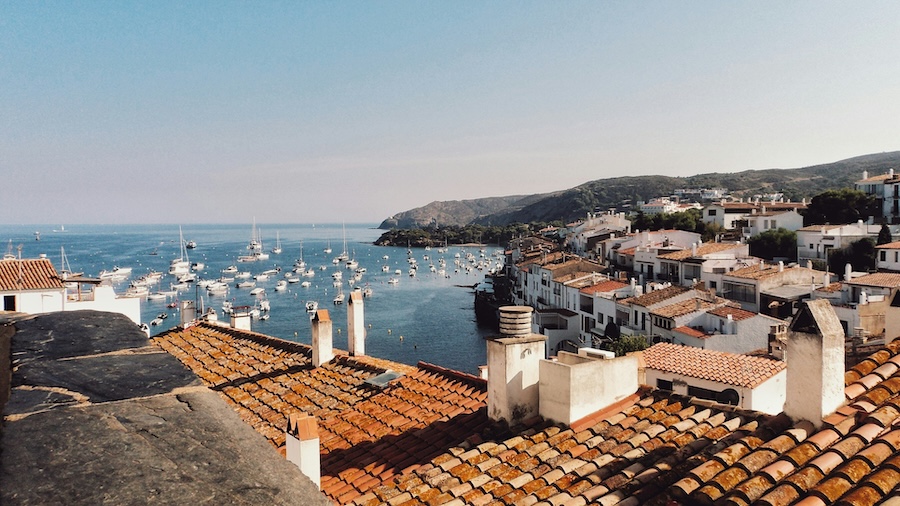
For many people, retirement in Spain feels like a financial relief.
Costs appear lower.
Life feels simpler.
Money seems to go further.
Compared to life before, retirement in Spain can feel not just manageable, but comfortable.
That feeling is real.
It’s also incomplete.
Because Spain is one of the few places where early retirement affordability is often a poor indicator of long-term sustainability.
Not because people miscalculate.
But because the conditions that make Spain feel affordable at the start are not the same ones that shape costs later.
Why Spain Feels Cheap When You First Arrive
Spain does several things exceptionally well in the early years of retirement.
Daily living costs are often lower than expected.
Healthcare access feels straightforward.
Social life is inexpensive.
Lifestyle quality feels high relative to spending.
These factors combine to create a powerful impression:
“We don’t need as much as we thought.”
That impression isn’t naïve.
It’s experiential.
But it is shaped by starting conditions, not long-term dynamics.
{{INSET-CTA-1}}
Early Retirement Spending Is Not Representative
During this phase, people often:
- are healthy
- are active
- are exploring
- are spending selectively
- are still adjusting to a new lifestyle
Spending during this period is rarely representative of later life.
Spain amplifies this effect because:
- social costs are low
- entertainment is affordable
- daily pleasures are inexpensive
- community replaces consumption
That makes early budgets look reassuring.
The Retirement Affordability Illusion
This is the illusion:
If life feels affordable now, it will remain affordable.
In Spain, that assumption is often wrong.
Not because costs explode suddenly.
But because the structure of retirement spending changes over time.
Spain is gentle early on.
It is less forgiving later.
Why People Anchor To Early Numbers
Humans anchor strongly to first impressions.
If retirement “works” in year one or two, that experience becomes the reference point.
People think:
- “This is our baseline.”
- “We’ve cracked it.”
- “We don’t need to worry.”
The problem is that retirement costs do not move in straight lines.
They shift in phases.
Spain’s early phase is unusually kind.
That kindness can mask what comes later.
The Calm Period Before Pressure
Most people experience a calm financial period shortly after retirement.
Income is steady.
Spending is controlled.
Assets feel untouched.
Markets may even cooperate.
This calm period creates confidence.
That confidence often delays deeper planning.
Why stress-test something that feels fine?
This is where Spain becomes misleading.
Why Later-Life Costs Behave Differently In Spain
Later-life costs in Spain tend to:
- rise unevenly
- concentrate around health and care
- become less discretionary
- be harder to offset with lifestyle changes
These costs are not obvious early.
They don’t show up in spreadsheets.
They arrive through life events.
Spain is not expensive day-to-day.
It can be expensive when flexibility is needed.
Healthcare Feels Affordable Until It Isn’t
Early in retirement, healthcare often feels like a non-issue. Access is good, costs feel manageable, and care feels local and personal.
That early experience can reinforce the belief that healthcare will remain simple and predictable over time, even though later phases often look very different.
Later, healthcare becomes:
- more frequent
- more specialised
- more complex
- more dependent on support structures
The cost is not just financial.
It’s logistical and emotional.
Spain works well when you’re independent.
It’s more challenging when independence fades.
The Silent Role Of Inflation And Currency
Inflation and currency shifts rarely bite immediately.
In early retirement:
- income still feels adequate
- currency swings feel manageable
- lifestyle hasn’t inflated yet
Over time:
- inflation compounds quietly
- currency moves affect purchasing power
- fixed incomes lose flexibility
These pressures don’t feel dramatic.
They feel persistent.
Spain makes this easy to ignore at first.
That’s the danger.
Why Retirement Planning Feels Unnecessary Early On
Many people delay serious retirement planning because:
- life feels good
- spending feels controlled
- nothing feels urgent
Spain reinforces this instinct.
But retirement planning is least stressful when nothing feels urgent.
It’s hardest when pressure has already arrived.
Spain rewards early realism.
It punishes late reaction.
Retirement in Spain often feels affordable at the start because early conditions are unusually favourable. The risk is assuming those conditions will define the rest of retirement.
Why This Article Exists
This article is not here to argue that Spain is expensive.
It’s here to explain why early affordability is a poor planning signal, and why relying on it creates risk later.
Understanding that difference is one of the strongest predictors of calm, sustainable retirement outcomes in Spain
Retirement Spending Doesn’t Move In Straight Lines
One of the most common planning mistakes is assuming retirement spending is stable.
In practice, it rarely is.
Retirement spending tends to move in phases, not averages. Spain accentuates this pattern because the early phase is unusually comfortable.
The danger isn’t spending too much early.
It’s assuming early spending defines the whole journey.
Phase One: The Low-Pressure Years
The first phase of retirement in Spain is often characterised by:
- good health
- high mobility
- discretionary spending
- lifestyle experimentation
- emotional relief
People spend on experiences rather than obligations.
Costs feel controllable.
Trade-offs feel easy.
This phase creates confidence.
It’s also the least representative phase.
Why This Phase Misleads Planning
During early retirement:
- income still feels sufficient
- assets remain untouched
- inflation feels theoretical
- currency movements feel manageable
People naturally use this period as their baseline.
They say:
- “We don’t spend much.”
- “We’re comfortable on this.”
- “Our plan is working.”
What they’re really observing is a temporary cost structure, not a permanent one.
Phase Two: Rising Friction, Not Rising Lifestyle
Later, spending doesn’t necessarily increase because lifestyle expands.
It increases because friction increases.
Common changes include:
- higher healthcare usage
- less ability to substitute time for money
- increased reliance on convenience
- reduced tolerance for complexity
Spain is affordable when you’re flexible.
It’s less forgiving when flexibility declines.
Healthcare As The Pivot Point
Healthcare is one of the most significant cost and logistics pivots in retirement.
Early on:
- care is infrequent
- access feels straightforward
- costs feel predictable
Later:
- care becomes more regular
- treatment becomes specialised
- support structures matter more
- coordination costs rise
The challenge isn’t just paying for care.
It’s managing life around it.
That’s where costs concentrate.
The Compounding Effect Of Inflation
Inflation rarely shocks retirees.
It erodes quietly.
A few percentage points don’t feel significant year to year.
Over time, they reshape affordability.
In Spain:
- daily costs may rise unevenly
- services may increase faster than goods
- fixed incomes lose purchasing power gradually
This isn’t dramatic.
It’s persistent.
Planning based on today’s prices assumes time stands still.
It doesn’t.
Currency Risk Becomes Lifestyle Risk
Currency movements rarely feel important early on.
People adapt.
Spending is flexible.
Small shifts feel manageable.
Later, when income is fixed and spending is less optional, currency movements matter more.
What once felt like a minor nuisance gradually becomes a real constraint on lifestyle choices.
Spain makes this easy to underestimate, because daily life can feel inexpensive right up until the moment it doesn’t.
When Affordability Becomes Dependency
One of the most subtle shifts happens when affordability turns into dependency.
People start thinking:
- “We couldn’t live like this elsewhere.”
- “Spain is the only place this works.”
That belief can become risky.
Affordability that depends on staying put reduces optionality.
It ties financial comfort to geography.
Later, if circumstances change, choices feel limited.
Why Budgets Stop Telling The Full Story
Many retirees rely heavily on budgets.
Budgets work well early.
They become less useful later.
Later-life spending is:
- irregular
- event-driven
- clustered
Healthcare events, family needs, relocation, or care requirements don’t fit neatly into monthly budgets.
Spain doesn’t make these events more likely.
It makes them more visible when they arrive.
In Spain, retirement rarely becomes unaffordable because of day-to-day spending. It becomes strained when costs shift from discretionary to non-discretionary over time.
That shift is what most plans fail to anticipate.
Why People Feel Caught Out Later
People don’t usually say:
“We didn’t plan.”
They say:
“We planned based on how things felt early on.”
That’s the mistake.
Early affordability is real.
It’s just incomplete.
The Retirement Sustainability Framework
Retirement in Spain works best when it’s designed for durability, not just comfort.
This framework isn’t about predicting every cost.
It’s about ensuring the plan remains workable as circumstances evolve.
Step 1: Separate comfort from sustainability
Comfort is how life feels today.
Sustainability is how life behaves under pressure.
Spain excels at delivering comfort early.
That’s why early confidence is so common.
Sustainability requires asking different questions:
- What happens if costs rise unevenly?
- What changes if health shifts?
- What happens if income becomes less flexible?
- How easy is it to adapt without stress?
If a plan only works when everything stays favourable, it isn’t sustainable.
Step 2: Design income for phases, not averages
Many retirement plans are built around average spending.
Real life doesn’t work in averages.
A sustainable plan accounts for:
- early active years
- later slower years
- periods of higher healthcare need
- moments of family support
- unexpected transitions
Income that is flexible early but rigid later creates stress.
Income that adapts across phases creates calm.
Step 3: Protect optionality as long as possible
One of the most underrated assets in retirement is optionality.
Optionality allows:
- changes in location
- changes in lifestyle
- responses to health events
- support for family when needed
Spain can be very comfortable.
Comfort should not come at the cost of choice too early.
Plans that preserve optionality longer tend to age better.
Step 4: Plan for non-financial pressure
Later-life pressure is rarely just financial.
It’s logistical.
It’s emotional.
It’s about coordination and support.
A sustainable retirement plan considers:
- how care would actually be managed
- how decisions would be made under stress
- who would help if independence declines
- how disruption would be handled
Spain works best when these questions are considered calmly, not reactively.
Step 5: Revisit assumptions, not just numbers
Most retirement stress comes from outdated assumptions, not bad maths.
Assumptions like:
- “We’ll always want to live exactly here.”
- “Costs won’t change much.”
- “Healthcare will remain simple.”
- “Currency movements won’t matter long term.”
Sustainable plans are reviewed for relevance, not just performance.
Retirement in Spain becomes sustainable when it is designed to absorb change rather than rely on conditions staying favourable.
That principle matters more than any single projection.
{{INSET-CTA-2}}
Why Sustainability Feels Different From Optimisation
Optimisation seeks efficiency.
Sustainability seeks resilience.
Optimised plans often look impressive early.
Sustainable plans feel boring, and hold up later.
Spain rewards boring retirement planning.
Why People Who Get This Right Rarely Worry Later
People who design for sustainability often describe retirement as:
- steady
- manageable
- adaptable
- calm
They don’t talk about how clever their plan was.
They talk about how little they had to think about it.
That’s the outcome this framework supports.
Who This Framework Is Most Relevant For
This approach is especially valuable for people who:
- expect Spain to be long-term
- rely on fixed or semi-fixed income
- have assets in more than one country
- want the option to change course later
- value peace of mind over optimisation
For people with very simple circumstances, affordability may remain straightforward.
Knowing where you sit is the value.
If this article resonates, it’s rarely because retirement in Spain feels unaffordable.
It’s because you can sense that early comfort is not the same as long-term security, and that designing for change would make retirement feel lighter, not heavier.
That recognition tends to arrive earlier for some people than others.
Those are usually the people who experience retirement in Spain as stable rather than stressful over time.
If this article resonates, it is often because retirement feels comfortable today but uncertain further ahead. Recognising that distinction early allows sustainability to be designed gradually, rather than forced later.