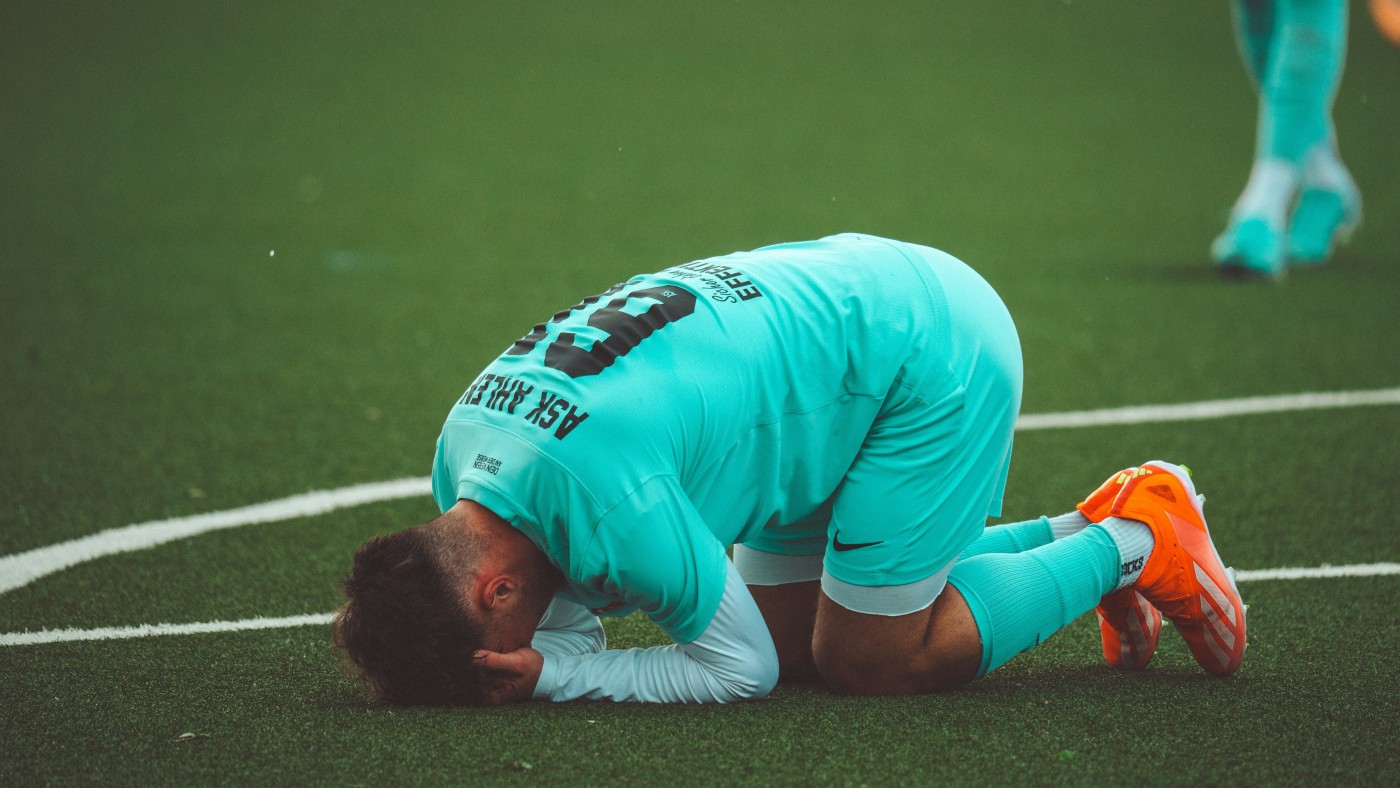
Injury Risk Is A Financial Risk
Professional football careers are short and physically demanding. Even with elite medical support, injuries can abruptly end a player’s peak earning years.
Contracts may provide short-term protection, but they rarely secure long-term income. True protection requires structured planning that includes insurance, liquidity reserves, and diversified income streams.
When these elements are in place, players gain flexibility. When they are not, injury can trigger rushed decisions involving investments, pensions, or business ventures.
The objective is not fear. It is financial resilience.
Footballers who structure protection early gain far more options if their career changes unexpectedly.
Why Injury Risk Is Financial Risk
Professional football is physically demanding.
Even with elite medical care, injuries can:
- Shorten careers
- Terminate contracts
- Reduce future earning power
- Force early retirement
Financial planning must assume that career length is uncertain.
The earlier the career peak, the greater the long-term exposure if earnings stop unexpectedly.
Injury risk is not theoretical.
It is structural.
Contract Protection Is Not Comprehensive Protection
Club contracts may include:
- Guaranteed salary periods
- Rehabilitation support
- Limited injury protection
However, contracts:
- Expire
- Are renegotiated
- May include conditional clauses
- Do not protect future contracts
Relying solely on contract terms assumes continued employability.
Financial protection must extend beyond the current contract.
Income Protection Insurance
Income protection policies may:
- Replace a percentage of lost income
- Pay benefits during inability to play
- Provide structured payments
However:
- Underwriting depends on health history
- Premiums reflect risk profile
- Terms differ significantly
- Early planning improves access
Waiting until after injury risk increases reduces options.
Protection must be evaluated during healthy years.
{{INSET-CTA-1}}
Career-Ending Insurance
Some policies provide:
- Lump sum payouts
- Career-ending injury benefits
- Specified event triggers
These policies may:
- Require medical evidence
- Contain exclusions
- Limit coverage duration
Understanding definitions is critical.
“Unable to play professionally” must be clearly defined.
Ambiguity increases claim risk.
Liquidity As The First Line Of Defence
Insurance is one layer.
Liquidity is another.
A player without:
- Emergency reserves
- Flexible capital
- Accessible investments
May be forced into:
- Distressed asset sales
- Business risk
- Premature pension access
- High-cost borrowing
Liquidity buffers protect against reactionary decisions.
Liquidity planning must reflect realistic injury scenarios.
Passive Income As Structural Protection
If passive income streams are already generating cash flow, injury impact reduces.
Passive income may include:
- Investment income
- Rental income
- Structured withdrawal planning
The objective is not to replace full playing income immediately.
It is to prevent complete dependency.
Income diversification reduces career fragility.
Pension Considerations After Injury
Injury-induced retirement may trigger:
- Pension access decisions
- Early withdrawal temptation
- MPAA exposure
- Reduced contribution capacity
Without sequencing, accessing pension funds may restrict long-term funding.
Injury planning must coordinate with pension discipline.
The Psychological Shock Of Forced Retirement
Injury creates more than financial disruption.
It creates identity disruption.
Sudden transition can increase:
- Risk-taking
- Business overextension
- Lifestyle preservation pressure
Financial structure reduces psychological vulnerability.
Capital discipline supports emotional stability.
A Practical Injury Planning Checklist
Before assuming protection exists, confirm:
- What your contract guarantees
- Whether income protection is in place
- What exclusions apply
- How much liquidity is accessible
- Whether passive income exists
- How pension access decisions would be handled
If these are unclear, exposure remains.
{{INSET-CTA-2}}
Why Early Planning Changes Outcomes
Insurance underwriting is easier:
- When healthy
- Before injury history develops
- Before age increases risk
Capital allocation is easier:
- During peak earnings
- Before commitments expand
- Before liquidity shrinks
Injury planning must occur during strength.
Not after weakness.
The Strategic Objective
The objective is not fear.
It is resilience.
Professional football involves uncertainty.
Financial structure should anticipate it.
Injury may not happen.
But planning for it strengthens long-term stability.
Compressed careers demand redundancy.
Protection planning provides it.
Disclosure
This article is for information purposes only and does not constitute financial advice. Insurance availability and suitability depend on individual circumstances and underwriting criteria. Professional advice should be sought before making decisions.