Why Cyprus is Becoming the Top Retirement Destination for British Expats
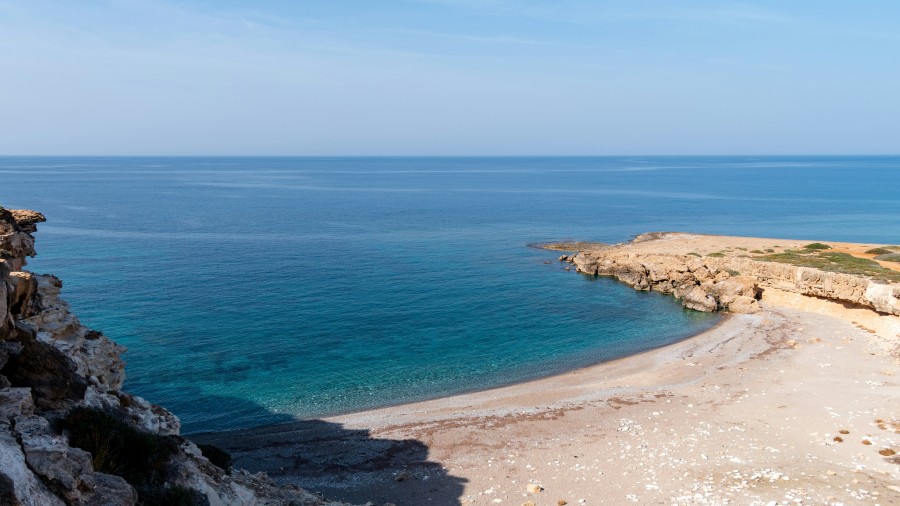
British retirees are voting with their feet. Cyprus is now the second most popular European retirement destination for UK expats, behind only Spain-and for good reason. The island has morphed from a holiday spot into a sophisticated retirement haven, offering a rare combination that few European countries can match: a predictable Mediterranean lifestyle, world-class healthcare, and a taxation regime specifically designed to attract pensioners.
The appeal isn't hype. Over the past five years, the number of British expats in Cyprus has grown to more than 40,000, with an additional 10,000+ considering a move. Why? The financial maths are compelling. A retired British couple can reduce their annual tax bill by 60–70% by relocating from the UK to Cyprus, even whilst receiving the same pension income. For a couple with combined pension income of £40,000 per year, that translates to saving £5,000–£8,000 annually in tax alone-money that can extend your retirement runway by years.
But it's not just taxes. Cyprus offers:
- A warm, stable climate with 300+ days of sunshine annually
- English widely spoken by younger generations and in expat hubs
- Cost of living 20–30% lower than the UK for basics like food and household utilities
- A thriving expat community with established social networks in Paphos, Limassol, and Larnaca
- Proximity to the UK (only 4.5 hours by flight)
- EU-standard healthcare at a fraction of UK costs
- Zero inheritance tax-a game-changer for estate planning
The Cyprus non-dom regime combined with the flat 5% pension tax creates a taxation structure that literally does not exist anywhere else in Europe for British retirees. You are not compromising on lifestyle, community, or healthcare to make the maths work-all three are genuinely excellent on the island.
The Financial Maths: Pension Income Taxation at Flat 5% vs UK Progressive Rates
Here is the single biggest reason British expats move to Cyprus: the pension tax rate.
The moment you become a Cyprus tax resident, pension income is taxed at a flat 5% rate on amounts above €5,000 per year. That means on a typical pension of €30,000 per year (roughly £25,000), you pay tax on €25,000 at 5% = €1,250 in tax. Plus a separate healthcare contribution of 2.65% = €662 more. Total: €1,912 in tax and contributions, or 6.37% effective rate.
Contrast that with the UK. A married couple with combined pension income of £40,000 sits firmly in the 20% tax band. They pay roughly £8,000 in income tax, plus potentially National Insurance on parts of it. That is a 20% effective rate minimum.
The difference? €3,700–€5,000 per year in savings, compounded over a 25-30 year retirement.
How the Flat 5% Works in Practice
You elect each tax year whether to:
- Pay flat 5% on pension income above €5,000, or
- Opt for Cyprus's progressive income tax bands (0% up to €22,000, then 20%, 25%, 30%, 35% on higher slices)
Most British retirees choose the flat 5% because it beats progressive taxation at every income level. Even on a generous pension of €60,000 per year, flat 5% (€2,750 tax) beats the progressive approach (which would push you into the 20%-25% bands, costing €7,000+ in tax).
The 2026 Update: €5,000 Threshold Raised
In 2026, the flat 5% rate applies to income above €5,000 per year-up from the previous €3,420 threshold. This is actually favourable news: it means you can take up to €5,000 tax-free, then pay 5% on everything above that. For most retirees, this improves the net outcome versus previous years.
Important: You Still Pay Healthcare Contributions
The flat 5% is separate from the GeSY (healthcare) levy of 2.65% on pension income, capped at €180 per month (€2,160 per year). So your true effective rate is approximately 7-7.5% once healthcare is included. This is still 60–65% lower than the UK rate you would pay on the same income.
UK Government Service Pensions: A Different Story
One exception: if you have a UK government service pension (civil service, military, NHS, teaching), the 2019 UK-Cyprus Double Taxation Treaty designates these as taxable only in the UK. You do not get the 5% rate. This is an important distinction for police officers, military retirees, and former teachers-you must plan for full UK taxation on those pensions even if you live in Cyprus.
Non-Dom Status for Retirees: Protecting Investment Income During Drawdown Years
The second pillar of Cyprus's retirement advantage is non-dom status. This is where the real wealth protection happens.
If you become a Cyprus tax resident and have not yet established tax domicile in Cyprus (which takes years), you qualify for non-domiciled tax residency status. During this period-up to 17 years-you are exempt from the Special Defence Contribution (SDC) on dividends, interest, and rental income from anywhere in the world.
What does that mean in numbers?
A retiree with €80,000 in annual dividend income from UK investments would normally pay 17% SDC (€13,600) plus income tax. In Cyprus, as a non-dom, they pay zero SDC-just 2.65% healthcare levy (€2,120). The saving: €11,480 per year.
The Non-Dom Tax-Free Period: 17 Years
Your non-dom status begins when you first become a Cyprus tax resident. For the next 17 years:
- Dividends from your investment portfolio: 0% SDC (only 2.65% healthcare applies)
- Interest from savings or bonds: 0% SDC (only 2.65% healthcare applies)
- Rental income from foreign properties: 0% SDC (only 2.65% healthcare applies)
- After 17 years: you become domiciled in Cyprus and SDC rates apply (currently 5% on dividends, 17% on interest)
This creates a powerful planning window. If you retire to Cyprus at 60, you have until age 77 before SDC kicks in. By that time, many retirees have shifted their portfolio into lower-yield dividend or income-paying positions, so the impact is minimal.
Extending Non-Dom Status Beyond 17 Years
If you want to maintain non-dom status beyond 17 years, Cyprus allows a one-time extension for another 5 years by paying a lump sum of €250,000. This locks in the zero SDC protection on dividends until year 22 of your residence.
The 2.65% Healthcare Levy: A Consideration
Whilst dividends escape SDC, all investment income remains subject to the GeSY healthcare contribution of 2.65%, capped at €180 per month (€2,160 per year). On €80,000 in dividend income, you pay €2,120 in healthcare-still a 2.37% effective rate, versus 17% SDC you would pay in the UK or in Cyprus as a domiciled resident.
How This Integrates with Drawdown Planning
Pension drawdown becomes extraordinarily tax-efficient when combined with non-dom status. You drawdown pension income at 5% + 2.65% healthcare = 7.65% effective tax. Simultaneously, any portfolio dividends sit tax-free (0% SDC) during the 17-year non-dom window. This is the foundation of many retirees' Cyprus strategies: live off the drawdown income (taxed lightly), let the portfolio grow tax-sheltered, and preserve assets for heirs (with zero inheritance tax).
UK State Pension in Cyprus: Uprating, Claiming, and Taxation
One of the great fears for UK expats is that their state pension will freeze once they leave the UK. This is false-and Cyprus is explicitly protected.
The UK-Cyprus Social Security Agreement guarantees that your UK state pension increases every year, in line with the triple-lock policy. In April 2026, UK state pensions are rising by 4.7%, bringing the full new state pension to approximately £12,548 per year. This increase applies in full to people living in Cyprus.
Why Cyprus is Protected (But Many Countries Aren't)
Cyprus is a member of the European Economic Area (EEA). The UK's social security agreements with EEA countries ensure annual pension uprating. This is why retirees in Cyprus, Spain, France, Germany, and Portugal all receive annual increases-but retirees in Australia, New Zealand, Canada, Thailand, and South Africa do not. If you move to a non-EEA country, your pension freezes at the rate it was when you left the UK. This alone makes Cyprus an attractive choice.
How to Claim and Receive Your UK State Pension in Cyprus
- Notify the UK's Department for Work & Pensions (DWP) of your move to Cyprus
- Your pension payments will be paid directly to a UK bank account or via international transfer
- Cyprus does not tax state pension income differently from other pension income (flat 5% applies once you're tax resident)
- No S1 form is needed for state pension; you claim it directly from the UK
Taxation of UK State Pension in Cyprus
Under the Cyprus-UK double taxation treaty, state pension is taxed where you are resident. Once you become a Cyprus tax resident:
- UK state pension is taxed at the flat 5% rate (on the amount above €5,000 combined with other pensions)
- Plus 2.65% GeSY healthcare contribution
- No UK income tax is withheld or owed
So on £12,548 UK state pension (roughly €15,000), you pay 5% + 2.65% = €975 in Cyprus tax and healthcare. Had you remained in the UK, you would pay £0 tax (personal allowance), but you lose the purchasing power advantage that Cyprus offers.
Planning Tip: Claim State Pension Before You Move
Many retirees delay claiming state pension until age 70 (deferring in the UK to increase the amount). If you plan to move to Cyprus, you should factor this in early: state pension is taxed more favourably in Cyprus, and you benefit immediately from the lower cost of living. There is no advantage to deferring if you are moving abroad.
{{INSET-CTA-1}}
Drawdown vs Annuity: How Cyprus Residency Changes the Calculation
One of the biggest retirement decisions is how to take your defined-contribution pension: drawdown (flexible access, invest the pot) or annuity (fixed income for life, no market risk).
In the UK, this calculation is fairly clear-cut. An annuity locks in a fixed income (say, £1,500 per month), provides certainty, and eliminates sequence-of-returns risk. Drawdown gives flexibility but exposes you to market volatility and the risk of running out of money.
Once you move to Cyprus, the calculation shifts dramatically in favour of drawdown.
Why Drawdown Wins in Cyprus
- Tax Efficiency: Drawdown income is taxed at flat 5% in Cyprus. Annuity income is also taxed at 5%, so there's no tax disadvantage. But the key difference is that drawdown lets you keep your capital invested and growing tax-sheltered (under non-dom status) for 17 years.
- Non-Dom Protection: With drawdown, you access income when you need it, but your remaining pot sits in investments (dividends, interest, growth) and pays zero SDC during the non-dom period. With an annuity, your capital is gone-locked into the insurance company's fund. There is no opportunity for non-dom tax shelter.
- Legacy and Estate Planning: Drawdown allows you to pass your remaining pension pot to heirs tax-free (Cyprus has zero inheritance tax). Annuity payouts typically cease at death, with no lump sum to pass on. For retirees concerned about leaving a legacy, drawdown is far superior.
- Flexibility: In Cyprus, you might discover you need less income than expected (lower cost of living) or want more (healthcare, travel). Drawdown adapts; annuity does not.
The Hybrid Approach: Annuity + Drawdown
Many sophisticated retirees use a hybrid strategy:
- Buy a fixed annuity for 40–50% of their pension pot, securing a baseline income (say, €12,000 per year) for essential living expenses
- Use drawdown on the remaining 50-60% of the pot for discretionary spending, investment growth, and flexibility
This gives you the security of a fixed income (peace of mind) plus the tax-sheltering and flexibility of drawdown. The annuity provides the floor; the drawdown provides optionality.
Important Caveat: FCA Rules on Annuity Transfers
If you have a UK pension in drawdown and want to buy an annuity, you must do this before moving to Cyprus. The FCA (Financial Conduct Authority) regulates UK pension providers, and moving abroad can trigger restrictions. Plan annuity purchases before your move.
How to Model Your Own Drawdown
A rule of thumb: in early retirement (age 55-70), many advisers recommend a 4-5% drawdown rate (withdrawing 4-5% of your pension pot annually, adjusted for inflation). In Cyprus, this is sustainable because your portfolio grows tax-sheltered under non-dom status. If you have a £300,000 pension, a 4.5% drawdown = £13,500 annually (roughly €16,200), taxed at 5% + 2.65% healthcare = €1,170, leaving €15,030 net per year. This is supplemented by UK state pension (£12,548 = €15,000) for a combined annual income of €30,000-comfortably above the €18,000 minimum for the Category F residence permit.
Healthcare for Retirees: GeSY System, Costs, Quality, and the S1 Form
Healthcare is often the second biggest concern for retirees after taxes-and it is the area where Cyprus delivers most dramatically.
Cyprus's public healthcare system (GeSY) is EU-standard, affordable, and accessible. For UK retirees, there is an additional trump card: the S1 form, which means the UK often covers your healthcare cost in Cyprus entirely.
What is GeSY and How Does It Work?
GeSY (General Healthcare System) is Cyprus's public healthcare scheme, established in 2019 and now fully integrated. It covers:
- General practitioner visits: €1-3 co-payment
- Hospital admissions: €10-20 co-payment
- Outpatient specialist appointments: €3-5 co-payment
- Prescription medications: typically €0-5 per item
- Diagnostic tests (X-rays, blood work): €1-5 co-payment
- Surgical procedures: €10-20 co-payment
GeSY is funded through:
- A 2.65% employee contribution (if you work)
- A 2.65% employer contribution (if employed)
- A 2.65% self-employed/pensioner contribution (on pension income) 4. General taxation
For retirees, you contribute 2.65% on your total pension income, capped at €180 per month (€2,160 per year). So a retiree with €30,000 in annual pension income pays €799 in healthcare contributions per year.
The S1 Form: UK Funding of Your Cyprus Healthcare
If you receive a UK state pension, you qualify for an S1 form from the NHS Business Services Authority. This is a bilateral agreement between the UK and Cyprus: the UK reimburses Cyprus for your healthcare costs.
What this means: you access GeSY (the public healthcare system) at the same minimal co-payments listed above, but the UK government covers the funding. You pay nothing beyond the small co-payments.
This is extraordinary value. A comprehensive private health insurance policy in Cyprus costs €100-200 per month (€1,200-€2,400 per year). With an S1 form, you get equivalent coverage for co-payments only-often €0–50 per year.
To Get Your S1 Form:
- Contact the NHS Business Services Authority (NHSBSA) before or shortly after moving
- Provide proof of UK state pension receipt
- They issue an S1 form valid for several years
- Present the S1 to the Cyprus healthcare authorities
- You enrol in GeSY as an S1-covered beneficiary
Private Insurance: When and Why
Many UK retirees in Cyprus still hold private health insurance, even with S1 coverage, for three reasons:
- Faster access to specialists: private appointments are typically available within days; GeSY can have waiting lists
- English-speaking healthcare: whilst many GeSY doctors speak English, private clinics are more reliably English-first
- Choice of hospital: private insurance lets you use private hospitals (Acibadem, Arpaxia) instead of public facilities
Private insurance is optional but common. Costs: €60-150 per month depending on age and coverage.
Quality and Outcomes
Cyprus's healthcare system ranks highly in European comparisons. Doctors are often trained in the UK or other EU countries, and major private hospitals meet international standards. Waiting times for non-emergency procedures are longer in the public system (4–8 weeks) but shorter in private facilities (days). Overall, healthcare quality is excellent and well-suited to retirees managing chronic conditions (diabetes, hypertension, arthritis).
Cost Comparison: Cyprus vs UK
For a retired couple with an S1 form in Cyprus: minimal costs (co-payments only) For a retired couple in the UK: NHS free at point of use, funded through taxes and NI contributions already paid For a retired expat in Australia (no S1 equivalent): private insurance €150–250/month or out-of-pocket costs
Cyprus's advantage is that you get NHS-funded healthcare even though you live abroad-a unique benefit not offered by many countries.
Cost of Living: Realistic Monthly Budget for a Retired British Couple
One question always comes up: "Can we afford to retire in Cyprus?"
The answer for most British retirees is yes-and comfortably.
Realistic Monthly Budget Breakdown (2026)
For a retired couple living modestly in Paphos or Larnaca:
- Housing (rent): €1,000–€1,400 for a modern two-bedroom apartment in a decent location
- Utilities (electricity, water, internet): €120–€180 per month (note: no heating needed most of the year)
- Groceries and household: €400–€500 per month (food is 12–15% cheaper than the UK)
- Dining out (2–3 times weekly): €150–€250 per month
- Transport (car or local buses): €80–€150 per month
- Healthcare and insurance: €50–€100 per month (mostly co-payments if S1 covered; private insurance adds €60–150)
- Phone and mobile: €20–€40 per month
- Entertainment and hobbies: €100–€200 per month
- Miscellaneous (haircuts, repairs, etc.): €100–€150 per month
Total Monthly: €2,020-€2,970 (roughly £1,700-£2,500)
This is for a comfortable, modest lifestyle-not austere, not extravagant.
Regional Variations
Paphos (popular with retirees): €1,900–€2,200 per month for a couple Larnaca (more affordable, growing): €1,700–€2,000 per month Limassol (most expensive): €2,300-€2,800 per month Nicosia (least touristy, most affordable): €1,600–€1,900 per month
Income Required (Annual)
To comfortably support a retired couple:
- Modest lifestyle: €22,000–€24,000 per year gross
- Comfortable lifestyle: €26,000–€32,000 per year gross
- Generous lifestyle: €36,000+ per year gross
A couple with combined UK state pension of £25,000 and pension drawdown of £15,000 (£40,000 total gross, roughly €48,000) has more than enough.
What You Save Compared to the UK
In the UK, the same couple would spend:
- Rent/mortgage: £1,200–£1,600 per month
- Utilities: £150–£200 per month
- Council tax: £150–£300 per month
- Food: £400–£500 per month
- Total UK: £2,100–£2,800+ per month
Moving to Cyprus saves 20–30% on everyday living costs, plus 60-70% on income taxes. Over a 25-year retirement, the cumulative saving is substantial.
The Currency Advantage
If you receive UK pensions in pounds and live in euros, exchange rate movements matter. At 1.20 EUR/GBP (early 2026), £40,000 - €48,000 per year. A weakening pound reduces this (bad), a strengthening pound increases it (good). Consider hedging strategies with a financial adviser if you have large pound-denominated pensions.
Property: Where to Buy, What It Costs, Rental vs Ownership
Property in Cyprus is not mandatory-the Category F residence permit does not require a purchase. However, many retirees do buy, either as a home, investment, or both.
Market Overview 2026
Cyprus property prices have been rising steadily, growing approximately 2.5% in nominal terms from January 2025 to January 2026, with particularly strong demand from international buyers in coastal areas.
Prices by Region (2026)
Limassol (most expensive, premium waterfront): - Prime coastal apartments: €4,500–€8,000 per m² - Modern two-bedroom apartments (100 m²): €450,000–€800,000 - Median overall: €660,000
Paphos (best for retirees, established expat community): - Middle-range apartments: €2,000–€3,500 per m² - Modern two-bedroom apartments: €200,000–€350,000 - Older resale apartments: €100,000–€200,000 - Median overall: €600,000
Larnaca (affordable, growing, near airport): - Apartments: €1,700–€2,800 per m² - Two-bedroom apartments: €170,000–€280,000 - Median overall: €335,000
Nicosia (least expensive, inland, authentic): - Apartments: €1,500–€2,400 per m² - Two-bedroom apartments: €150,000–€240,000 - Median overall: €353,500
Rental vs Purchase
Renting Advantages: - No upfront capital (no deposit beyond 1-2 months' rent) - No ongoing maintenance or property taxes - Easy to relocate if Cyprus doesn't work out - Typical cost: €900–€1,400 per month for a modern two-bedroom in Paphos
Purchase Advantages: - No landlord; complete control - Potential for appreciation (historical: 4–6% annual in Paphos and Limassol) - Rental income if you let it out (though this triggers tax on the rental income) - Mortgage available at 2.5–4.5% from Cypriot banks (if you have a UK state pension, you often qualify for a mortgage at 70–80% LTV) - Transfer fees on purchase: 3% + 0.15% for rates registration (much lower than UK stamp duty) - Ongoing costs: property tax (typically 0.1–0.15% of value annually), maintenance, insurance (€200-400 per year)
Acquisition Process and Costs
- Find property and agree on price
- Sign preliminary contract, pay 10% deposit
- Obtain financing (if using mortgage)
- Hire lawyer for legal due diligence (cost: €1,000–€2,000)
- Transfer funds and sign final title deed at the Land Registry
- Pay transfer fees: 3% of property value + 0.15% rates registration
- Register title deed in your name
Example: Buying a €250,000 apartment in Paphos - Purchase price: €250,000 - Transfer fees (3%): €7,500 - Rates registration (0.15%): €375 - Lawyer: €1,500 - Total acquisition cost: €9,375 (3.75%) - Mortgage available: €175,000–€200,000 at ~3% over 20 years - €875–€1,000/month
Inheritance and Capital Gains
When you sell a property in Cyprus, capital gains tax (CGT) applies at 20% on the profit. However, your principal residence (the home you live in) is exempt from CGT. So if you buy a €250,000 apartment, live in it for 5 years, and sell it for €300,000, you pay zero tax on the €50,000 gain (principal residence exemption).
When you die, your heirs inherit the property with a step-up in basis (no inheritance tax), and they can then sell it without CGT if it remains their principal residence. This is one of Cyprus's great estate planning advantages.
Rental Income Tax
If you buy a property and rent it out (rather than live in it), rental income is taxed at 5% flat rate under certain conditions, or progressive rates otherwise. You must declare the rental income, and landlord costs (maintenance, utilities, insurance) are deductible.
Estate Planning: Cyprus 0% Inheritance Tax and Why It Matters
This is often overlooked, but it is revolutionary.
Cyprus abolished inheritance tax entirely on 1 January 2000. There is no estate duty, no succession tax, nothing. When you die, your heirs inherit everything free of inheritance tax.
Contrast this with the UK:
- UK inheritance tax: 40% on assets above £325,000 (the nil rate band)
- A couple with a combined estate of £800,000 would trigger a £190,000 IHT bill if domiciled in the UK
- In Cyprus: zero inheritance tax, heirs inherit the full £800,000 equivalent
Example: The Williams Family
George, 65, and Patricia, 63, have: - Combined pension pots: £350,000 - Buy-to-let property in London: £450,000 - Savings and investments: £200,000 - Total estate: £1,000,000
If they remain in the UK and their estate passes to their two adult children: - IHT due: 40% × (£1,000,000 - £325,000) - £270,000 - Heirs receive: £730,000
If they move to Cyprus, become tax resident, and their estate passes to their two adult children: - IHT due: £0 (Cyprus has no inheritance tax) - Heirs receive: £1,000,000 (or equivalent in euros)
The value of moving to Cyprus purely for inheritance planning: £270,000+ in tax savings.
Important Caveat: UK Domicile Rules
Cyprus's zero inheritance tax applies if you establish Cyprus tax domicile. The UK's IHT rules, however, look at domicile status. If you move to Cyprus but retain UK domicile (e.g., you own a home in the UK, plan to return, have close family ties), the UK may still claim IHT on your worldwide assets.
To establish Cyprus domicile (and lock in the 0% inheritance tax benefit), you should:
- Move to Cyprus with intent to reside permanently
- Register as a Cyprus tax resident
- Dispose of UK properties or let them out
- Spend more than 183 days per year in Cyprus (or majority of time)
- Join local organisations, clubs, and communities
- Update your will to reflect Cyprus domicile
Take professional advice on domicile status; it is complex but the IHT saving justifies the planning.
Structuring Your Estate in Cyprus
Many British retirees restructure their assets once in Cyprus:
- Cyprus residence and primary assets: held in personal name (tax-efficient, IHT-free)
- UK pension and state pension: remain in the UK, taxed under the double taxation treaty
- Overseas investments: held personally if non-dom, or in trust structures if seeking specific outcomes
The key is to work with a Cyprus lawyer and a UK tax adviser to coordinate your structure across both jurisdictions.
Immigration: Category F Permit and Residency Requirements
To live permanently in Cyprus, you need a residence permit. For retirees and those with passive income, the Category F permit is the standard route.
Category F Overview
Category F is a permanent residence permit for non-EU citizens (and also available to EU citizens in certain cases) who can demonstrate:
- A secured annual income of at least €9,568 (as of 2026)
- An additional €4,613 per dependent (spouse, children under 18)
- No requirement to purchase property
- Income must come from abroad (pensions, dividends, rental income, etc.)
How to Apply
- Engage an immigration lawyer or relocation service in Cyprus
- Prepare documents: proof of income, bank statements, police clearance from home country, medical certificate
- Submit application to the Cyprus Migration Department
- Processing time: currently estimated at 6–12 months (backlog exists as of 2026, with applications from 2019 still being processed)
- Once approved, you have one year to move to Cyprus 6. Obtain your residence permit card
Residency Requirements After Approval
Once you have Category F status:
- You must visit Cyprus at least once every two years to maintain the permit
- There is no requirement to spend a minimum number of days per year (unlike some other residence permits)
- Your spouse and dependent children under 18 can be included on the same permit
- The permit is valid for life; the physical card is renewed every 10 years
Cost of Application
- Immigration lawyer fees: €1,000–€2,500
- Government fees: €0 (no official processing fee)
- Medical examination: €50–€150
- Total: roughly €1,500–€2,500
Why No Property Purchase is Required
Unlike some European residence permits (Portugal's Golden Visa, Spain's Investor Visa), the Category F does not require property purchase. This is a major advantage for retirees who want to test-drive Cyprus by renting before committing to a purchase.
Tax Residency vs Immigration Residency
It is important to distinguish:
- Immigration residency (Category F permit): allows you to live in Cyprus
- Tax residency: determined by physical presence and residency intent. Generally, if you are present in Cyprus for 183+ days per year, you are tax resident. Once tax resident, the 5% pension tax rate and non-dom status apply.
Most retirees establish both simultaneously, but they are technically separate.
After Year Two: Check-In Requirements
Every two years, you must visit Cyprus and register your continued residency with the Migration Department. This is straightforward: a brief visit, confirmation of address, and you're renewed. Many retirees treat this as an excuse for a holiday back to Cyprus.
Processing Delays (2026 Update)
As of early 2026, the Cyprus Migration Department is processing old applications with significant delays. Category F applications submitted in 2024–2025 should expect 6-12+ months for processing. It is wise to apply earlier rather than later if you plan to move within 12–18 months.
Common Retirement Planning Mistakes British Expats Make in Cyprus
After working with hundreds of British retirees planning their move to Cyprus, several patterns emerge. Here are the biggest mistakes to avoid:
Mistake 1: Delaying the Move Until After State Pension Age
Many retirees wait until age 68 (current state pension age) before moving, thinking "I'll claim my pension first, then go." This is backwards. Moving earlier (60–65) and claiming whilst already in Cyprus locks in the tax advantages immediately. You save taxes for 5–8 extra years rather than none. If you have defined-contribution pensions, moving earlier lets you use drawdown tax-efficiently longer.
Mistake 2: Not Planning for the 5% Tax Election
The flat 5% tax is not automatic. You must elect it each year. Many retirees assume it applies by default and are shocked to discover they owe progressive tax. Work with a Cyprus tax adviser to file the election form (Form TXX-1) before or immediately after your move.
Mistake 3: Forgetting the GeSY 2.65% Healthcare Levy
The 5% tax sounds great until you realise 2.65% healthcare is added. Your true effective rate is 7–7.5%, not 5%. Budget accordingly.
Mistake 4: Transferring UK Pensions to Cyprus Too Early
Some retirees transfer their UK pension to a SIPP (Self-Invested Personal Pension) or foreign pension scheme before moving. This is often unnecessary and can create tax complications. Leave your UK pension in the UK, claim drawdown from there, and take the money to Cyprus. The simplicity is worth more than any perceived tax advantage.
Mistake 5: Buying Property Before Establishing Tax Residency
If you buy a Cyprus property whilst still UK tax resident, you remain responsible for UK capital gains tax on any increase in value. Wait until you are established as a Cyprus tax resident (183+ days, intent to reside), then buy. The timing matters for CGT planning.
Mistake 6: Not Sorting Out Inheritance Planning
The 0% inheritance tax benefit is only real if you establish Cyprus domicile. Many retirees move but retain UK properties, UK bank accounts, and ties—which means the UK can still claim IHT on their worldwide assets. Commit to the move: sell the UK home (or let it out), update your will with a Cyprus lawyer, and make Cyprus your primary residence.
Mistake 7: Underestimating the Cost of Moving
Whilst living in Cyprus is affordable, the move itself is not free: - Relocation companies: €2,000–€5,000 - Immigration lawyer and permits: €1,500–€2,500 - Initial furnishing (if renting unfurnished): €2,000–€5,000 - Vehicle purchase (if needed): €5,000–€15,000 - Budget for the first 6 months: €3,000–€5,000
Total first-year costs: €15,000–€35,000. This is a one-time investment, not ongoing, but it matters.
Mistake 8: Not Getting Professional Advice on Pensions
UK pension transfers, drawdown, and taxation in Cyprus is complex. Some retirees try to handle it alone and end up in unexpected tax situations. The cost of a good pension and tax adviser (£1,000–£2,000 upfront) pays for itself many times over in tax efficiency.
Mistake 9: Ignoring the S1 Form
Many retirees don't realise they can get an S1 form from the NHS, which covers their healthcare in Cyprus at minimal cost. They instead buy private insurance for €100–200/month, costing £1,500–£3,000 per year, when they should be using the S1. If you receive a UK state pension, apply for the S1 form before moving.
Mistake 10: Expecting the Category F Permit to Be Quick
As of 2026, processing times are 6–12+ months due to backlogs. Many retirees are surprised by the delay. If you need to be in Cyprus by a specific date, apply well in advance. Some advisers recommend applying 18 months before your planned move date.
{{INSET-CTA-2}}
How Professional Planning Support Fits Into Your Move
Moving to a new country and restructuring your financial life is not a DIY exercise. Professional support in three areas is invaluable:
1. Tax and Pension Advising
A UK tax adviser with Cyprus experience can help you:
- Model your specific pension taxation (is drawdown or annuity better for you?)
- Time your move to minimise tax leakage
- Elect for the 5% flat rate correctly
- Understand how UK government service pensions are taxed (if applicable)
- Plan for the non-dom period and SDC optimisation
- Coordinate across the double taxation treaty
Cost: £1,000–£3,000 upfront, often recouped through tax savings in year one alone.
2. Immigration and Residency
A Cyprus immigration lawyer handles:
- Application preparation and submission for Category F permit
- Liaison with the Migration Department
- Guidance on establishing tax residency
- Coordination with your relocation
Cost: €1,500–€2,500 (one-time).
3. Financial and Wealth Planning
A financial adviser familiar with Cyprus and the UK can:
- Model your drawdown strategy over 25-30 years
- Advise on property investment (whether, when, where to buy)
- Structure your investments tax-efficiently during the non-dom period
- Plan for healthcare (S1 form application, private insurance decisions)
- Coordinate estate planning across two jurisdictions
- Advise on currency hedging if you have significant pound pensions
Cost: ongoing fees (typically 0.5–1% of assets under management annually) or a fixed fee (£2,000–£5,000 per year).
Why This Matters
Retirement is typically 25-30+ years of your life. Getting the first 12 months right-visa status, tax residency, healthcare, pension structure-determines the success of the entire period. A retiree who spends £3,000–£5,000 on professional advice upfront and saves £5,000–£8,000 per year in taxes over 25 years has a 30:1 return on investment. The maths are compelling.
Soft Closing CTA and Final Takeaway
Cyprus is no longer a exotic choice for British retirees-it is the logical, mathematically optimal destination for many.
The combination of a 5% pension tax, 17 years of non-dom dividend protection, zero inheritance tax, EU-standard healthcare, low living costs, and a thriving expat community creates a retirement framework that exists nowhere else in Europe.
But moving requires clarity. You need to know:
- Exactly how much you'll pay in tax on your specific pensions
- Whether drawdown or annuity fits your circumstances
- How to structure your investments tax-efficiently during the non-dom window
- What your cost of living will actually be
- How to acquire the right visa quickly
- How healthcare really works (spoiler: it's better and cheaper than you think)
- Whether now is the right time to move, or if waiting 2-3 years makes sense
These questions are personal and require personal answers. A conversation with someone who understands both the UK and Cyprus frameworks-and who has guided other British retirees through this transition-is worth far more than generic guides or spreadsheets.
If you are considering Cyprus and want to work through your specific numbers, Robert De Angelli is available for a confidential consultation**.** He works with British retirees across the full spectrum: from those in early planning (still working, 10 years from retirement) to those ready to move in the next 12 months.
The cost of not planning is substantial. The cost of planning is trivial by comparison.