Adviser Corner
The 3 Biggest Mistakes Professionals Make with Their Wealth in the Gulf
Guy Hilton of Skybound Wealth shares the top three mistakes Gulf professionals make with their wealth, and how to avoid losing long-term gains.
September 22, 2025


This is a div block with a Webflow interaction that will be triggered when the heading is in the view.
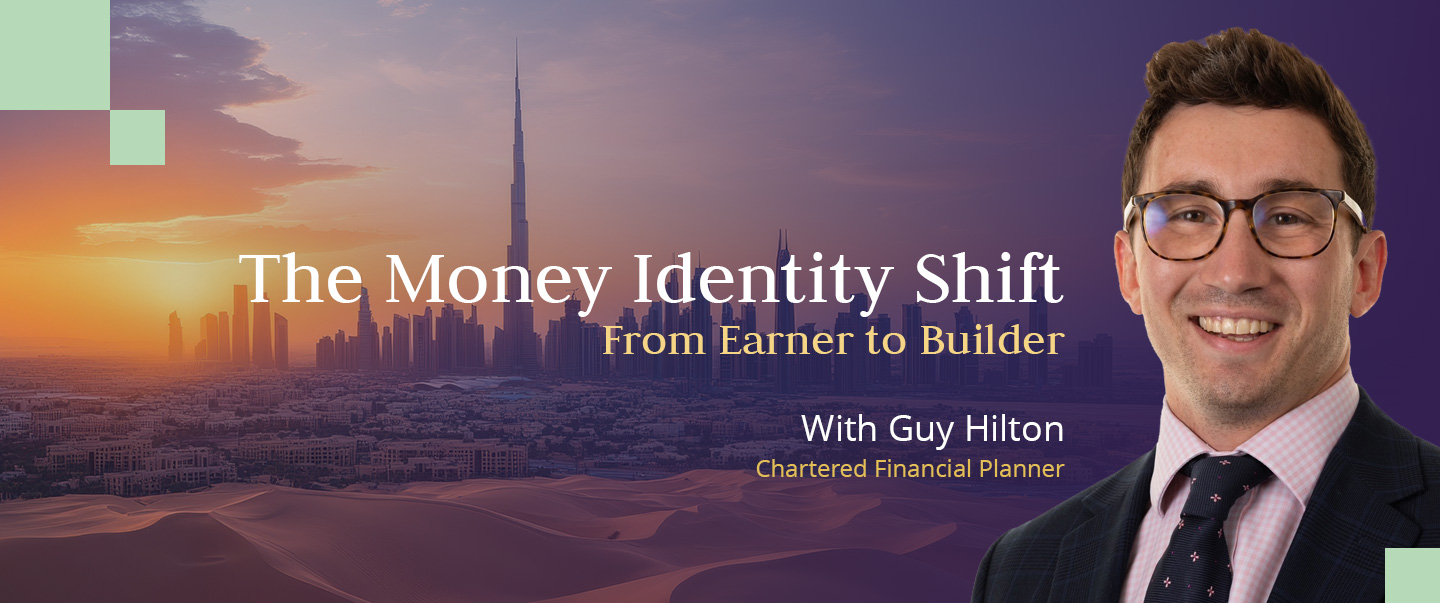
For many people working in the GCC, the story of success starts with a payslip. The salary is higher than it ever was back home, the income is tax-free, and the lifestyle feels like a reward for years of hard work. On paper, it looks like progress. In some ways, it is. But income and wealth are not the same thing, and the gap between the two is wider than most realise.
The real divide is not how much you earn, but how you see yourself. Some people are defined by the size of their salary. Others are defined by what they build. That identity shift influences every financial decision that follows.
Many expats anchor their sense of progress to income. In places like Dubai, Riyadh, or Doha, where salaries are high and living standards are elevated, it is easy to assume that earning well automatically leads to growing well. It rarely works out that way.
If you see yourself primarily as an earner, you focus on what comes in rather than what stays. Spending becomes a marker of success. Saving becomes something you will “get around to”. Lifestyle decisions often mirror the size of the payslip, not the scale of future goals. It only takes one example to show the consequences. An extra five thousand dirhams a month might buy an upgraded car, or it might, if invested consistently, compound into millions over two decades. The income is the same. The identity is not.
.jpg)
Builders measure success differently. They see themselves as investors, planners, and creators of wealth. Their identity shapes their habits. Every dirham earned is seen as fuel for their long-term plan. Saving and investing are not chores, they are natural extensions of who they are. Lifestyle decisions are filtered through a bigger question: does this help me build a better future, or does it take resources away from it?
Builders do not deny themselves comfort. They simply put structure before lifestyle, because they know that a strong foundation is what turns a good income into lasting outcomes.
Self-identity theory explains this clearly. Human beings act in ways that reinforce the type of person they believe themselves to be. If you see yourself as healthy, you behave accordingly. If you see yourself as a builder, saving and investing become automatic. You do not rely solely on willpower, because the habits match the identity.
That is why the shift from earner to builder is so powerful. It removes friction from good financial behaviour. You are not forcing yourself to save. You are acting in line with the person you believe you are becoming.
In the GCC, high incomes can mask fragile financial habits. Earnings feel stable, employer benefits feel comforting, and the day-to-day lifestyle becomes the measure of progress. But income is temporary. Contracts end. Economies change. Relocations happen quickly, often without warning.
I have met high earners who spent ten or fifteen years in the region and left with little to show for it. Despite earning millions over time, they returned home with regret because they never shifted from earner to builder. By contrast, those who made that shift left with confidence, structure, and options. Their years abroad created lasting wealth, not fleeting comfort.
Mark arrived in Dubai in 2010 earning a strong salary. Each year he improved his lifestyle. He planned to start saving “once things settled down”. Fifteen years later he returned to the UK with debt and urgency, not security.
Sophie earned the same income but saw herself differently. She automated her saving, invested consistently, and reviewed her plan each year. After fifteen years she left with a multi-million-dirham portfolio, financial freedom, and the confidence to choose her next chapter on her own terms.
Two people. Same income. Same environment. Identity created the difference.
The shift begins with a simple change in language. Stop saying “I earn X”, and start saying “I am building wealth”. Builders think in decades rather than contracts. They link decisions to long-term goals like retirement, education, or home ownership. Actions then follow naturally. Savings are automated. Investments are kept consistent. Protection and estate planning are treated as essential parts of the structure.
Lifestyle upgrades become conscious choices rather than default reactions. Builders still enjoy the region’s opportunities. They simply ensure enjoyment does not undermine the future they want.
This shift is not only financial. Earners often feel exposed because their security depends on the next contract. Builders feel steady because their security grows independently of their employer. The shift creates confidence, reduces anxiety, and replaces uncertainty with structure.
For expats in the GCC, the window of opportunity is short. Few stay for more than a decade or two. Earnings are strong now, but they will not last forever. The earlier you make the shift, the larger the advantages become.
Income gives you comfort. Building gives you choices.
Your Next Step
In a region where high earnings are the norm, it is easy to let income become your identity. But income is temporary and fragile. Builders grow what they earn and carry it forward long after they leave.
The distinction is simple. Earners spend. Builders grow.
Your next step is choosing the identity that shapes your future. If you’re ready to shift from earning to building, Skybound Wealth can help you turn today’s opportunity into tomorrow’s stability.
Guy started his career working for a Chartered Independent Financial Advisory firm in London, where he built a strong reputation for helping high-net-worth and ultra-high-net-worth individuals create long-term, tax-efficient strategies tailored to their goals.
Ordered list
Unordered list
High income alone doesn’t build wealth. Guy Hilton at Skybound Wealth can help you turn income into long-term outcomes.
He can help you: