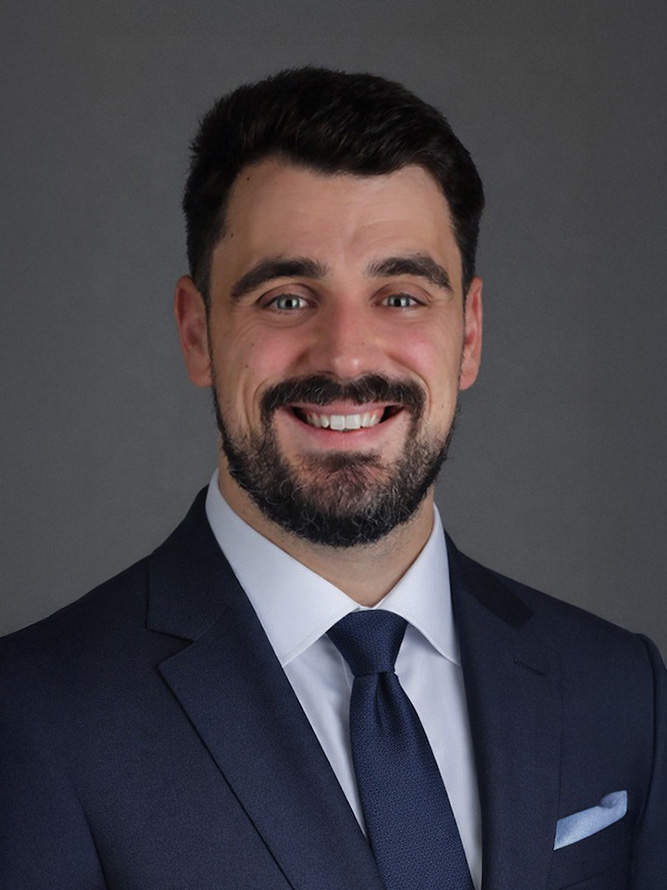
Originally from the Isle of Man, I have been based in Dubai since 2014 and work with clients whose financial lives connect the Middle East, the UK, and the USA.
I specialise in pensions, retirement planning, estate planning, and cross-border financial advice for people who have built wealth across more than one country and want a joined-up plan rather than fragmented decisions.
Many of the clients I advise have a mix of UK pensions, international investments, cash held in different currencies, property, family responsibilities in multiple jurisdictions, and future plans that may involve staying in the Gulf, returning home, or retiring somewhere else entirely. On paper, everything can look fine. In practice, it often feels disjointed.
The questions are usually the same:
- Am I genuinely on track to retire?
- How much can I spend without running out of money?
- Should I consolidate pensions or leave them where they are?
- How should I manage currency risk?
- What happens to my family and assets if I relocate again or die unexpectedly?
This is where I do my best work.
My role is to help clients join the dots across pensions, investments, tax considerations, estate planning, currency exposure, and long-term cash flow so they can make better decisions with more confidence.
I am UK, EU and US qualified, have over 15 years of experience in financial planning, and currently serve as Regional Head of Technical and Private Wealth Adviser at Skybound Wealth.
I have also written articles on financial planning topics for the Financial Times, Money Marketing, The National, and LexisNexis, and I bring that same standard of clarity to client conversations: no jargon, no guesswork, and no unnecessary complexity. Just thoughtful, evidence-based advice built around the life you want your money to support.
What Sets Josh Apart
- Advises clients with financial connections to the Middle East, UK and USA
- Specialises in pensions, retirement planning, estate planning and cross-border decision-making
- Regional Head of Technical and Private Wealth Adviser at Skybound Wealth
- Over 15 years of financial planning experience
- Written for the Financial Times, Money Marketing, The National, and LexisNexis
- Works with lawyers, globally mobile professionals, and expatriate families who need joined-up advice





.svg)
.svg)